Track Advantages: How to Assess Which Horses Have the Edge on the Track

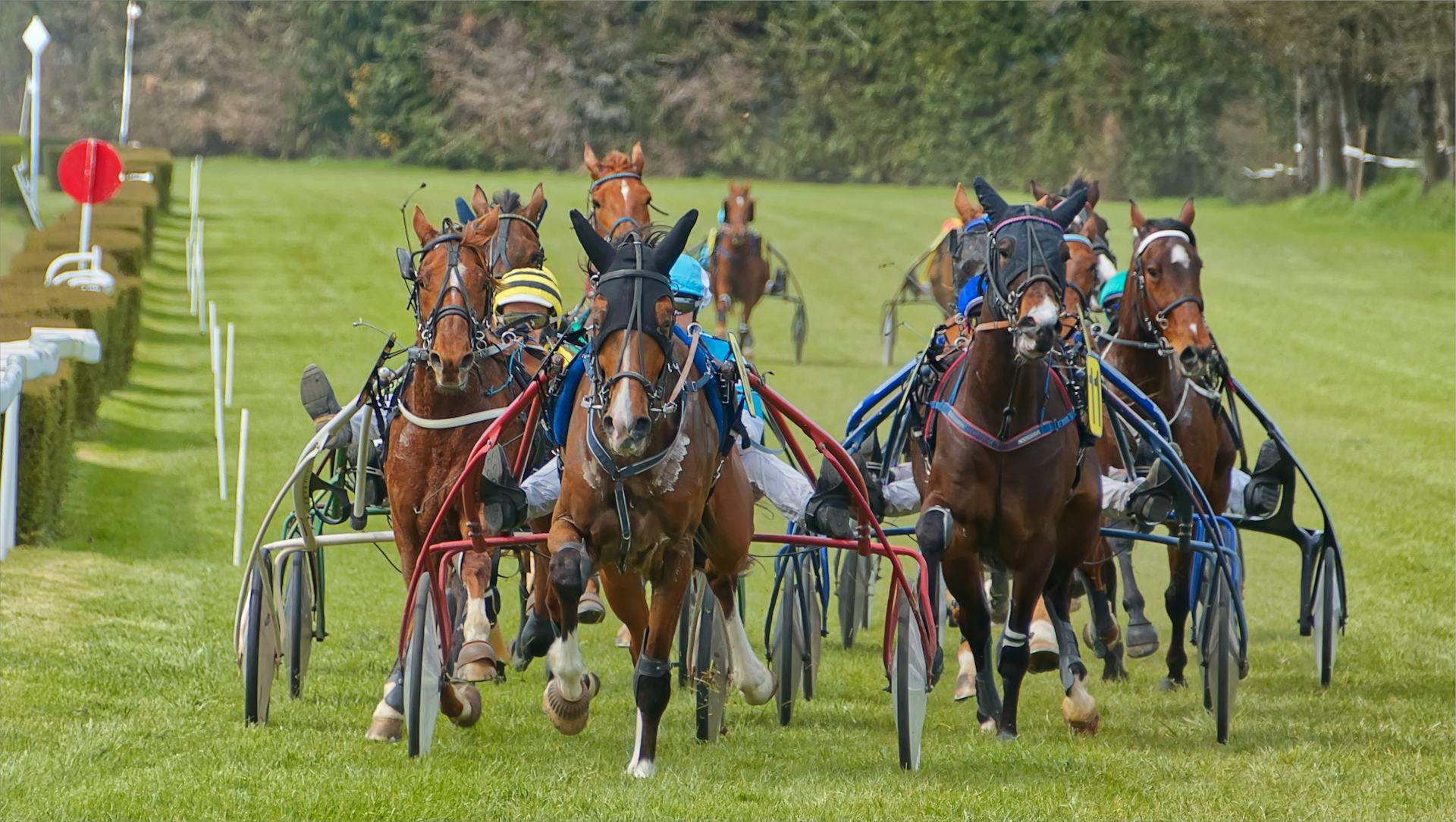
Discover how track conditions can make or break a horse’s performance
Horses
Horses
5 min
Learn how to evaluate track surfaces, layouts, and local conditions to identify which horses have the best chance of success. This guide helps bettors and racing enthusiasts understand the hidden factors that influence race outcomes and how to use them to their advantage.
Evelyn Hall
Evelyn
Hall

Track Advantages: How to Assess Which Horses Have the Edge on the Track

Discover how track conditions can make or break a horse’s performance
Horses
Horses
5 min
Learn how to evaluate track surfaces, layouts, and local conditions to identify which horses have the best chance of success. This guide helps bettors and racing enthusiasts understand the hidden factors that influence race outcomes and how to use them to their advantage.
Evelyn Hall
Evelyn
Hall

When it comes to horse racing, it’s not just the horse’s form or the jockey’s skill that determines the outcome. The track itself plays a much bigger role than many bettors realize. Some horses thrive on firm, fast surfaces, while others perform best when the ground is softer and more demanding. Understanding how track conditions influence performance can be the key to spotting hidden value in a race. Here’s a guide to assessing track advantages—and using them to your benefit.

What Do Track Conditions Mean?

Track conditions describe how firm or soft the racing surface is. In the United States, dirt and turf tracks are rated using terms like fast, good, muddy, sloppy, or firm. These ratings depend largely on weather, especially rainfall in the days leading up to the race.

  • Fast (dirt): A dry, hard surface that produces quick times. Speedy horses with efficient strides tend to excel.
  • Good (dirt): Slightly less firm than fast, offering a fair surface for most runners.
  • Muddy or Sloppy (dirt): Wet conditions that favor strong, powerful horses who can handle kickback and maintain traction.
  • Firm (turf): A dry, springy grass surface that suits horses with a quick turn of foot.
  • Yielding or Soft (turf): Moist ground that slows the pace and rewards stamina and strength.

Knowing how these conditions affect performance helps you determine which horses are likely to have an advantage on race day.

Know Each Horse’s Preferences

Just like people, horses have individual preferences. Some love a fast, dry track, while others lose their rhythm when the surface gets too hard. You can uncover valuable clues by studying a horse’s past performances:

  • Check past performance charts for notes on track conditions in previous races.
  • Compare finishing positions and times under different conditions—does the horse consistently run better on wet tracks or firm turf?
  • Look at pedigree—certain bloodlines are known for producing offspring that excel on specific surfaces or in certain conditions.

By combining these insights, you can build a clearer picture of which horses are best suited to the day’s track.

Track Layout and Location

No two racetracks are exactly alike. Some have tight turns, others long stretches or uphill finishes. These differences can give certain horses a natural edge.

  • Tight turns favor agile horses with good balance and quick acceleration.
  • Long stretches benefit strong closers who can sustain a drive to the wire.
  • Elevation changes test endurance—horses with stamina often perform better on tracks with uphill sections.

Additionally, post position and wind direction can influence outcomes. A horse breaking from an outside post on a short turn may have to cover more ground, while an inside draw can offer a tactical advantage.

Horses for Courses: Local Specialists

Some horses simply perform better at specific tracks. This can be due to the surface composition, the layout, or even the travel distance from their home stable. These “horses for courses” are worth noting—especially when they return to a track where they’ve previously won.

Check the horse’s record by track. A horse with multiple wins at the same venue likely feels comfortable there, which can be a strong indicator of another good performance—even if recent form elsewhere looks average.

How to Use Track Advantages in Your Analysis

When evaluating a race, follow a structured approach:

  1. Review the day’s track report—what are the official conditions?
  2. Compare each horse’s past performances under similar conditions.
  3. Assess the competition—which horses are helped or hindered by the surface?
  4. Consider the jockey’s experience—some riders know how to handle specific tracks better than others.
  5. Think about race tactics—a front-runner on a sloppy track may struggle, while a closer could benefit from tiring leaders.

By combining these factors, you’ll gain a more complete understanding of the race—and a better chance of finding value in the odds.

Track Conditions Can Change—Stay Updated

Weather can shift quickly, and so can the track. A dirt track listed as “fast” in the morning might turn “muddy” after a sudden downpour. That’s why it’s crucial to monitor real-time updates from track officials and expert commentary right up to post time.

Many seasoned bettors adjust their wagers at the last minute, precisely because changing conditions can alter the entire complexion of a race.

Track Advantage as Part of the Bigger Picture

Track conditions are just one piece of the handicapping puzzle—but one of the most overlooked. Learning to read the track and understand which horses are best suited to the day’s surface gives you a significant edge over casual bettors.

It’s not about finding the perfect horse—it’s about finding the horse with the best conditions on the day. And often, that’s where the smartest bets are made.

The Media’s Role: How Coverage Has Changed the Audience’s Experience of Horse Racing
From print to streaming, discover how evolving media have transformed the way fans experience horse racing
Horses
Horses
Horse Racing
Media Coverage
Sports Journalism
Digital Transformation
Audience Experience
5 min
Once a sport enjoyed mainly at the track or through newspaper reports, horse racing has become a dynamic, multimedia experience. This article explores how television, digital platforms, and social media have reshaped the audience’s connection to the sport, blending tradition with technology.
Christian Adams
Christian
Adams
Bet on Multiple Races – Learn to Evaluate Horses Across Distances and Tracks
Master the art of analyzing horses to make smarter bets across different races
Horses
Horses
Horse Racing
Betting Strategy
Sports Analysis
Race Evaluation
Gambling Tips
6 min
Discover how to evaluate horses when distances, tracks, and surfaces change. Learn to identify performance patterns, understand key factors like jockey influence and local conditions, and boost your confidence when betting on multiple races.
Thomas González
Thomas
González
Rules and Responsibilities: Why Protecting Horse Bettors Matters
Ensuring fairness and trust in the evolving world of horse race betting
Horses
Horses
Horse Racing
Betting Ethics
Responsible Gambling
Sports Integrity
Regulation
6 min
As horse racing continues to captivate fans, the responsibility to protect bettors grows ever more important. This article explores why safeguarding participants through clear rules, ethical practices, and shared accountability is essential to maintaining integrity and confidence in the sport.
Olivia Hernandez
Olivia
Hernandez
Test your betting tips on a small scale before you go big
Build confidence and strategy by testing your betting ideas before raising the stakes
Horses
Horses
Sports Betting
Betting Strategy
Risk Management
Data Analysis
Gambling Tips
7 min
Before committing large sums to your sports bets, start small to see how your predictions perform. Testing your betting tips on a smaller scale helps you refine your strategy, manage risk, and make smarter, data-driven decisions for long-term success.
Ryan Phillips
Ryan
Phillips
Track Advantages: How to Assess Which Horses Have the Edge on the Track
Discover how track conditions can make or break a horse’s performance
Horses
Horses
Horse Racing
Betting Strategy
Track Conditions
Race Analysis
Sports Insight
5 min
Learn how to evaluate track surfaces, layouts, and local conditions to identify which horses have the best chance of success. This guide helps bettors and racing enthusiasts understand the hidden factors that influence race outcomes and how to use them to their advantage.
Evelyn Hall
Evelyn
Hall
Scenario Analysis in Sports Betting: A Tool for Assessing Risk and Potential
Discover how scenario analysis can transform your betting strategy by revealing hidden risks and opportunities
Odds
Odds
Sports Betting
Risk Management
Scenario Analysis
Betting Strategy
Data-Driven Decisions
3 min
Learn how to apply scenario analysis to sports betting to make smarter, data-driven decisions. This approach helps you evaluate possible outcomes, manage risk, and identify value in every wager—whether you’re a beginner or an experienced bettor.
Christian Adams
Christian
Adams
Asian Handicap Explained: Adapt Your Betting Strategy to Sports Scoring Patterns
Master the logic behind Asian handicap betting and gain an edge in close-match sports
Odds
Odds
Sports Betting
Asian Handicap
Soccer
Betting Strategy
Odds Analysis
3 min
Discover how the Asian handicap system works and why it’s a favorite among experienced bettors. Learn to interpret handicaps, adapt your strategy to different scoring patterns, and find value in markets where small margins make all the difference.
Thomas González
Thomas
González
One Strategy Doesn’t Fit All – Learn to Adapt Your Betting Strategy to the Market
Master the art of adjusting your betting strategy to stay ahead in a changing market
Odds
Odds
Sports Betting
Strategy
Market Analysis
Betting Tips
Gambling Insights
7 min
Success in betting isn’t about finding one flawless formula—it’s about understanding the market, recognizing patterns, and adapting your approach as conditions shift. Learn how flexibility and analysis can turn uncertainty into opportunity.
Olivia Hernandez
Olivia
Hernandez