The Media’s Role: How Coverage Has Changed the Audience’s Experience of Horse Racing


The Media’s Role: How Coverage Has Changed the Audience’s Experience of Horse Racing
Horse racing has long been a sport defined by tradition, speed, and spectacle. Yet the way Americans experience it has evolved dramatically alongside the media that cover it. From newspaper columns to live television broadcasts and now to digital streaming and social media, the media have shaped how fans understand, engage with, and feel about the sport. Today, horse racing is not just an event at the track—it’s a multimedia experience that unfolds across screens and platforms.
From Print to Television – A New Era of Access
In the early 20th century, horse racing was an in-person experience. Fans gathered at tracks like Churchill Downs or Belmont Park to hear the thunder of hooves and see the finish with their own eyes. Newspapers reported results and offered colorful descriptions, but the excitement was reserved for those who could attend.
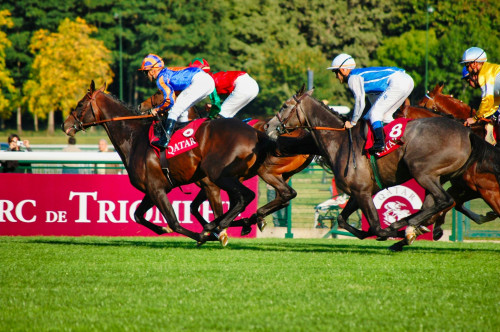
That changed with the rise of radio and, later, television. By the 1950s and 60s, televised coverage brought the Kentucky Derby and other major races into living rooms across the country. Commentators gave voice to the drama, and slow-motion replays allowed viewers to appreciate the athleticism of both horse and jockey. The sport became a shared national moment—something families could experience together, even from afar.
Læs også:


Analysis, Storytelling, and the Human Element
As coverage became more sophisticated, the focus expanded beyond the race itself. Expert commentators began to analyze form, breeding, and strategy, giving audiences new tools to understand the sport. Statistics and data became part of the storytelling, turning casual viewers into informed fans.
At the same time, media outlets began to highlight the personalities behind the sport. Horses were portrayed as champions with character and heart, while jockeys and trainers became household names. These human stories—of triumph, perseverance, and sometimes controversy—made horse racing more relatable and emotionally engaging.
The Digital Shift – Racing in the Age of Streaming
Today, horse racing has fully entered the digital era. Most major races are streamed live online, and fans can follow training sessions, interviews, and behind-the-scenes footage on social media. Platforms like YouTube, X (formerly Twitter), and Instagram allow fans to comment, share, and debate in real time. The experience is no longer passive—it’s interactive.
This shift has made the sport more accessible but also more fragmented. Instead of gathering around a single TV broadcast, fans now curate their own experience, following specific stables, handicappers, or influencers. The result is a more personalized but less unified audience.
Betting and Media Integration
Few sports are as closely tied to wagering as horse racing, and modern media have deepened that connection. Many streaming platforms and sports networks now integrate live odds, expert picks, and betting tools directly into their coverage. Viewers can place bets while watching, turning spectators into participants.
This integration has clear advantages: it heightens engagement and brings a sense of immediacy to the experience. But it also raises questions about balance—between sport and gambling, between storytelling and salesmanship. As betting becomes more embedded in media coverage, maintaining the integrity and spirit of the sport remains a key challenge.
Social Media and New Voices
Where coverage was once dominated by established broadcasters and newspapers, social media has opened the gates to new voices. Trainers, jockeys, and even fans now share their own content directly with the public. This democratization of coverage offers authenticity and intimacy—fans can see the daily routines, the setbacks, and the small victories that rarely make it to mainstream broadcasts.
For many, this direct connection is what keeps the sport alive. Online communities discuss bloodlines, share race-day photos, and celebrate their favorite horses. The conversation around horse racing has become more diverse, more immediate, and more personal.
The Future – Tradition Meets Technology
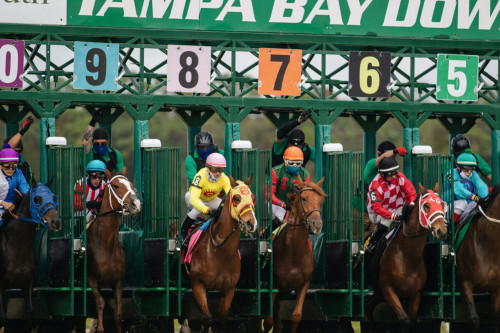
The future of horse racing coverage will likely blend tradition with innovation. Virtual and augmented reality could soon allow fans to experience a race from the jockey’s perspective, while artificial intelligence may offer deeper insights into performance and strategy. Yet even as technology transforms how we watch, the essence of the sport remains unchanged—the thrill of the break from the gate, the surge down the stretch, the heart-stopping finish.
Media can reshape how we see horse racing, but not the feeling it inspires. Whether through a screen or at the rail, the excitement of the race endures—and that, more than anything, keeps audiences coming back.
Læs også: