Statistics Reveal: The Most Crucial Phases of a Basketball Game


Statistics Reveal: The Most Crucial Phases of a Basketball Game
At first glance, a basketball game might seem like a constant back-and-forth where points are evenly distributed across four quarters. But when you dig into the numbers, a clear pattern emerges: certain phases of the game carry far more weight in determining the outcome. Data from the NBA and major college leagues show that momentum shifts, substitution patterns, and timeout timing often decide who walks away with the win.
First Quarter: Setting the Tone
While games are rarely decided in the opening quarter, it’s more important than many fans realize. Statistics show that NBA teams leading after the first quarter win roughly 65% of the time. It’s not just about the score—it’s about rhythm, confidence, and forcing the opponent to adjust early.
Coaches often use the first few minutes to test defensive matchups and identify weaknesses. A quick 10–2 run can force an early timeout and disrupt the opposing team’s game plan. It’s also when shooters find their rhythm; if they start hot, it can shape the entire night.
Læs også:




Second Quarter: The Bench Factor
When starters rest, the depth of a team is put to the test. Analytics reveal that bench performance often determines who leads at halftime. Teams with strong second units can maintain pace and avoid the scoring droughts that swing momentum.
This phase is about sustaining intensity even when the stars sit. A team that holds its opponent under 25 points in the second quarter significantly boosts its chances of winning. Coaches who manage rotations effectively can exploit mismatches and build momentum heading into the break.
Third Quarter: The Turning Point
The third quarter is often the most decisive. NBA data shows that teams winning the third quarter go on to win the game more than 70% of the time. This is where halftime adjustments are tested and where the game’s direction often changes.
Coaches use halftime to tweak defensive schemes, adjust tempo, and refine offensive sets. Teams that come out with energy and precision can erase deficits or extend leads quickly. It’s also the quarter where stars assert themselves—when leaders take control and set the tone for the finish.
Fourth Quarter: Composure and Execution
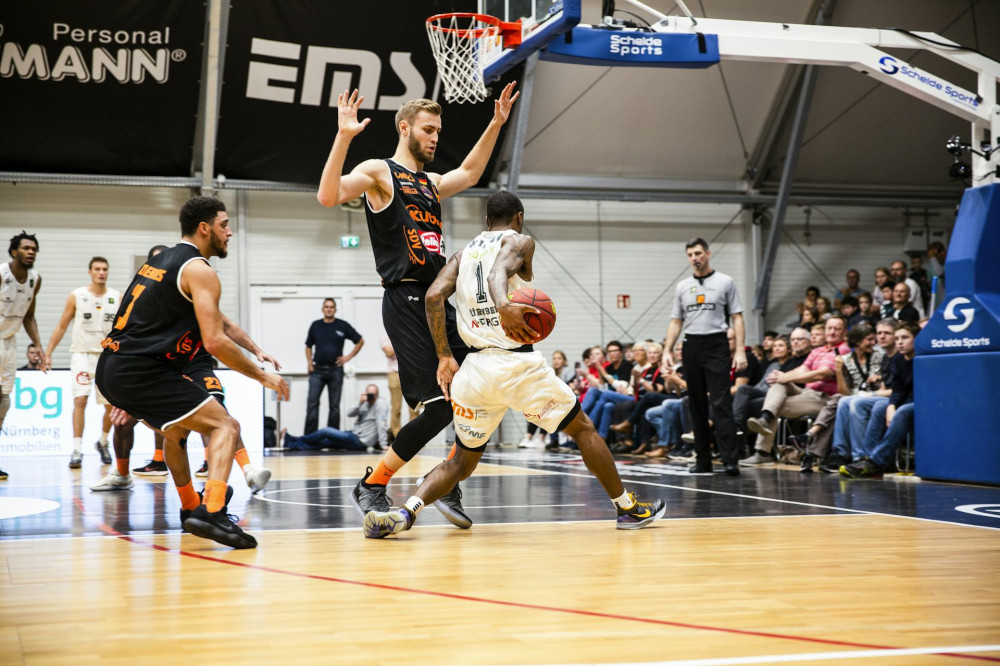
When the game enters its final minutes, every possession matters. Statistics show that games within five points in the last two minutes are decided largely by free-throw accuracy and turnovers. A single mistake—a missed free throw or a careless pass—can swing the result.
Timeout management becomes critical here. A well-timed timeout can halt an opponent’s run, calm nerves, and set up a decisive play. Data also shows that teams with experienced point guards perform better in close finishes, as they control tempo and make smart decisions under pressure.
The Numbers Behind the Win
When the data is compiled, a clear picture emerges:
- First quarter: Set the tone.
- Second quarter: Rely on depth.
- Third quarter: Adjust and take control.
- Fourth quarter: Stay composed and execute.
Basketball is a game of rhythm, reaction, and resilience. Even small shifts in energy or focus can change the outcome. The numbers reveal that victory rarely comes by chance—it’s earned by dominating the right moments.
Læs også: