“Hot Streaks” in Basketball – How to Spot Them in Live Betting

“Hot Streaks” in Basketball – How to Spot Them in Live Betting
Every basketball fan knows the feeling: a player can’t seem to miss, the crowd is roaring, and the opposing team looks helpless. That’s what we call a hot streak — a stretch where a player or team performs above expectations. For live bettors, recognizing these moments before the odds adjust can be a real advantage. But how do you tell the difference between a genuine hot streak and random luck? Here’s a guide to understanding the phenomenon — and using it wisely in live betting.
What Is a “Hot Streak”?
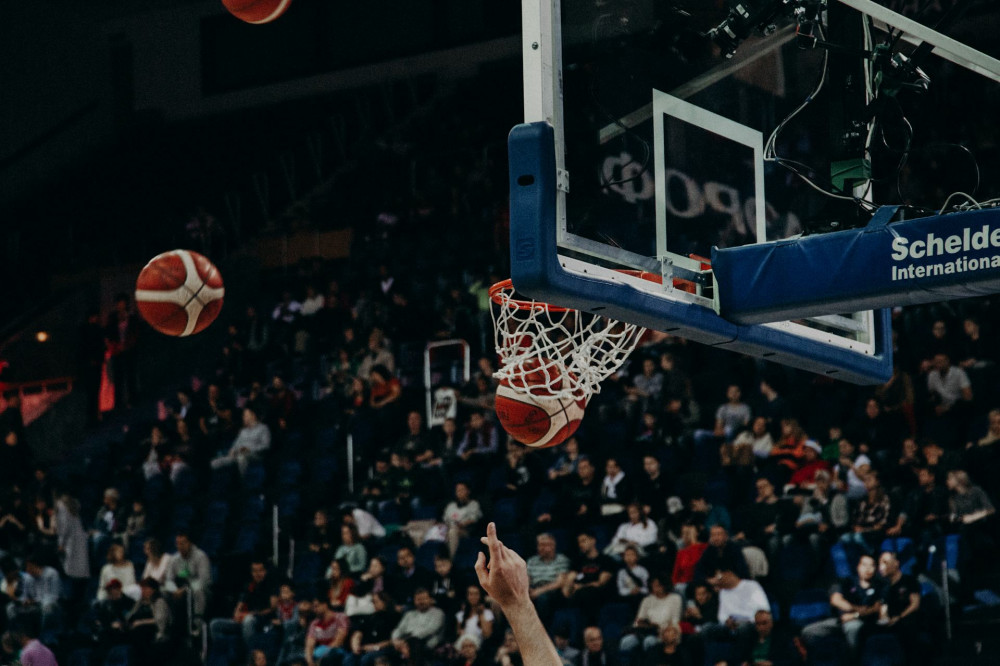
A hot streak happens when a player or team performs significantly better than usual over a short period. It might be a guard hitting five three-pointers in a row or a team going on a 12–0 run. In sports psychology, this is often referred to as “the hot hand” — the sense that a player simply can’t miss.
For years, statisticians argued that hot streaks were just illusions — that each shot is independent of the last. But newer research suggests there may be patterns in performance. Players who hit several shots in a row often change their behavior: they shoot with more confidence, make quicker decisions, and get more touches from teammates. That can create a short-term but very real advantage.
How to Recognize a Hot Streak in Live Betting
Spotting a hot streak is about combining observation, data, and timing. Here are some signs to watch for:
- Body language and confidence: A “hot” player moves with energy, calls for the ball, and shoots without hesitation. You can often see it in their demeanor — smiles, swagger, and communication with teammates.
- Coach’s reaction: If a coach keeps a player on the floor longer than usual or avoids calling a timeout, it may be a sign they want to ride the momentum.
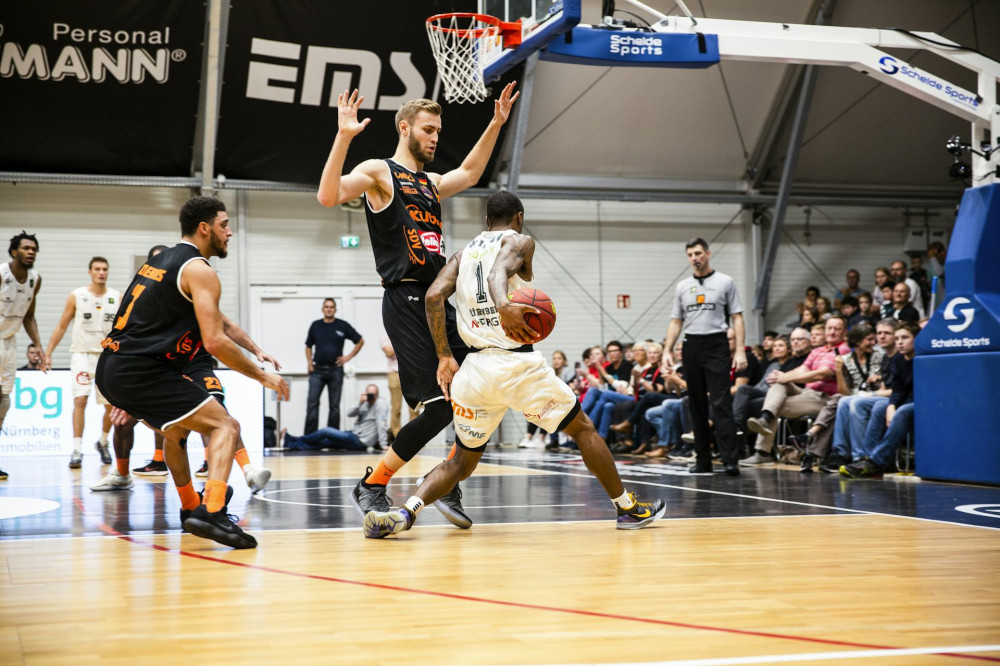
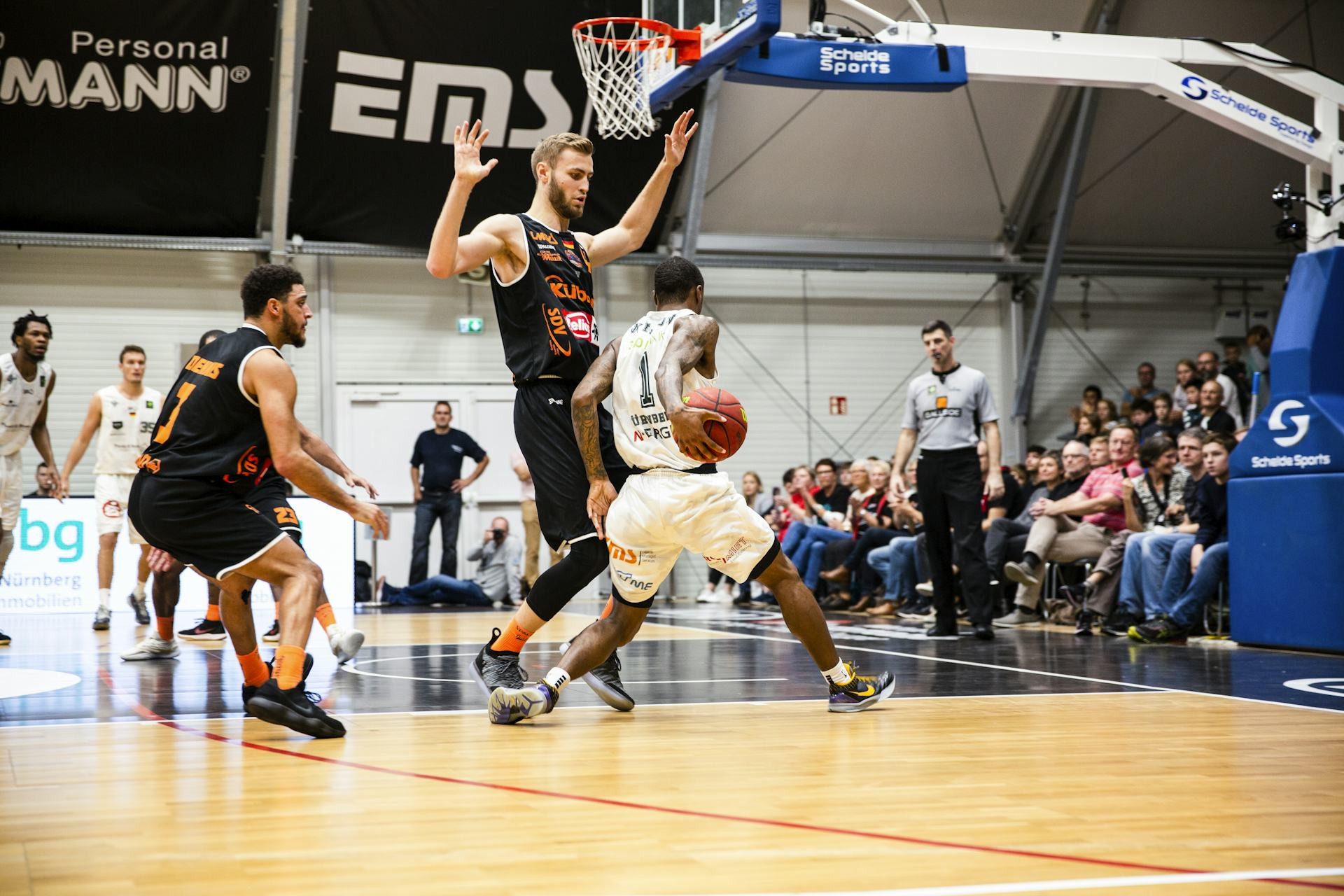
- Opponent adjustments: When a defense starts double-teaming a player or switches to a zone, it’s often because they’ve recognized a hot streak.
- Statistical indicators: Live stats like field goal percentage, scoring runs, and shot distribution can reveal when a team is heating up.
Using Momentum — But Carefully
In live betting, hot streaks can create temporary imbalances in the odds. If you notice a player dominating, you might consider betting on the next scoring play, quarter totals, or team points. But remember: sportsbooks adjust quickly, and a hot streak can cool off in minutes.
The key is context. Is the player known for streaky shooting, or is this an outlier? Is the opposing defense fatigued, or did a few lucky bounces just go in? The better you understand the rhythm of the game, the better you can judge whether the streak is sustainable.
The Psychology Behind It
Hot streaks aren’t just about numbers — they’re about mindset. When a player experiences success, dopamine levels rise, boosting focus and confidence. That can lead to sharper decisions and smoother mechanics. Meanwhile, opponents may tighten up, giving the “hot” player even more space to operate.
But confidence can also turn into overconfidence. A player on a streak might start forcing shots, and when the streak ends, their confidence can drop just as fast. Watching how a player handles a missed shot or a defensive adjustment can tell you a lot about how long the streak might last.
Læs også:
Data and Intuition — The Winning Combo
The best live bettors blend analytics with instinct. Stats can show you how often a player scores after making two or three shots in a row, but your ability to read the game’s flow determines whether you act in time.
Use live data feeds, but trust your eyes too. Basketball is a game of rhythm, and sometimes you can feel that rhythm before the numbers catch up. That’s where the real value lies in live betting.
Final Thoughts: Catch the Moment — and Know Your Limits
Hot streaks are part of what makes basketball so thrilling — and unpredictable. For live bettors, the goal isn’t to chase every “hot hand,” but to understand when momentum truly matters. Learn to read the game, use data as your guide, and always bet responsibly. Because even the hottest hand eventually cools down.
Læs også: