New Rules, New Opportunities – How Regulatory Changes Affect Motorsports Betting

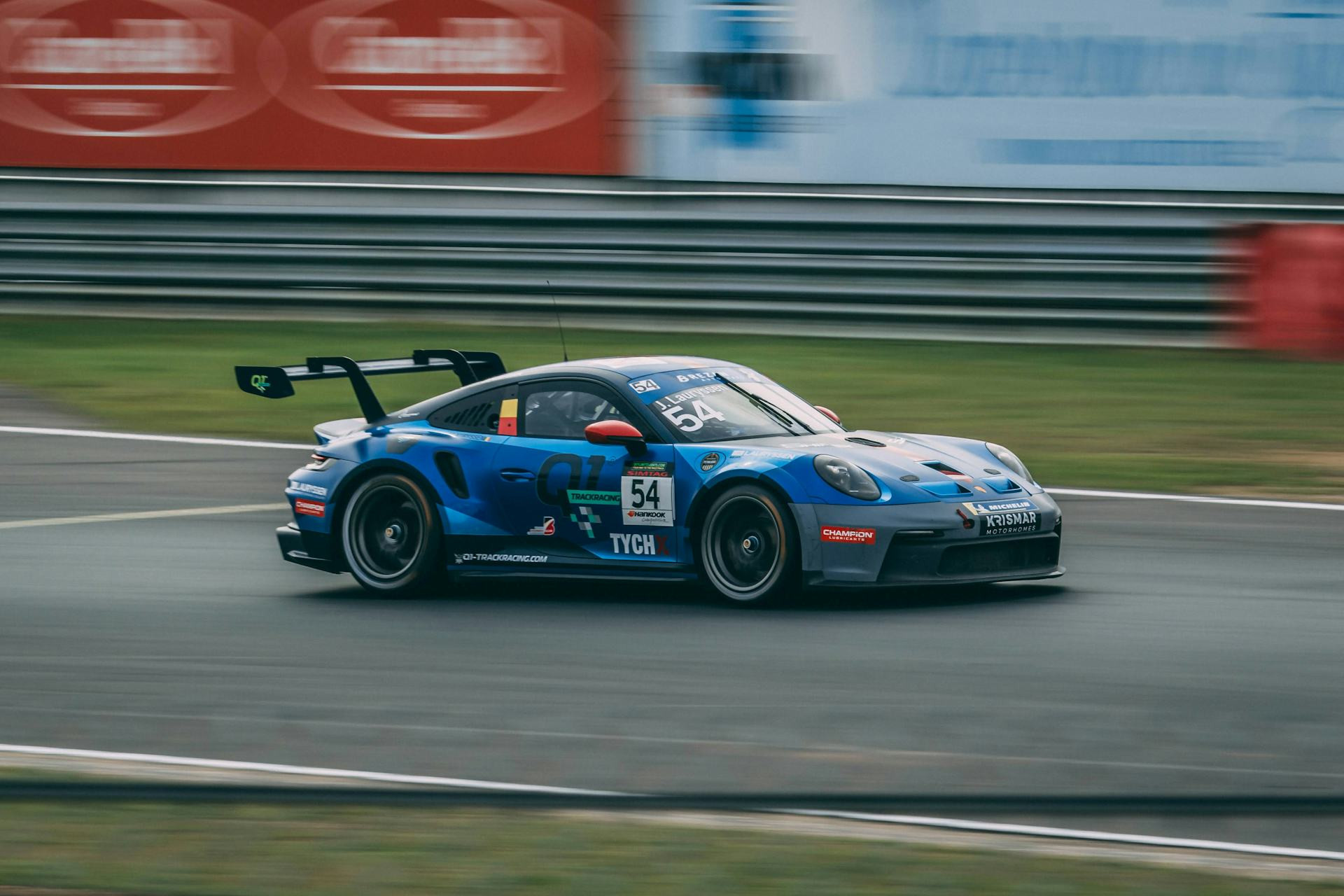
New Rules, New Opportunities – How Regulatory Changes Affect Motorsports Betting
Motorsports have always been defined by speed, innovation, and constant evolution. Every season brings new regulations—some designed to improve safety, others to level the playing field or make the races more exciting. But these changes don’t just affect teams and drivers. They also reshape how fans and bettors approach the sport. In motorsports betting, understanding how even small rule adjustments can shift performance is often the difference between a smart wager and a missed opportunity.
When Technical Changes Reshape the Field
Technical regulations are among the most influential factors in motorsports. When governing bodies like the FIA or IMSA modify rules around engines, aerodynamics, or tire compounds, the competitive order can change overnight. A team that dominated one season might struggle the next, while another finds a breakthrough.
For bettors, this means that historical data can quickly lose relevance. A change in fuel flow limits, hybrid deployment, or downforce levels can alter how cars behave on different tracks. The key is identifying which teams adapt fastest to the new environment. Those who follow preseason testing, engineering updates, and early race weekends can often spot value before the odds adjust.
New Formats, New Betting Strategies
Regulatory changes aren’t limited to the cars themselves. In recent years, several series have experimented with new race formats—Formula 1’s sprint weekends, NASCAR’s stage racing, and endurance events with revised qualifying systems. These changes affect not only how races unfold but also how betting markets move.
A sprint race, for example, introduces more point-scoring opportunities and increases the likelihood of unpredictable results. Bettors who track practice sessions and qualifying performance can find value in underdogs who thrive in shorter, more aggressive formats. Similarly, stage racing in NASCAR has created new dynamics for live betting, as momentum can shift multiple times within a single event.
Safety Rules and Weather Variables
Safety regulations continue to evolve, influencing both race outcomes and betting strategies. Adjustments to tire pressure limits, minimum temperatures, or safety car procedures can dramatically change race dynamics. For bettors, understanding how teams and drivers handle interruptions—like red flags or restarts—can be crucial.
Weather adds another layer of complexity. A sudden rain shower or a long caution period can flip the leaderboard. Live betting becomes especially interesting in these moments, as odds shift rapidly in response to changing conditions. The most successful bettors monitor not just the race but also radar forecasts and team communications to anticipate how strategy might evolve.
Læs også:



Data and Analysis: The Bettor’s Edge
As regulations evolve, data analysis becomes even more important. Serious bettors increasingly rely on telemetry data, sector times, and tire degradation models to assess who’s adapting best to new rules. It’s not just about knowing who’s fast—it’s about understanding why they’re fast, and when that advantage might fade.
Following team statements, technical briefings, and insider reports can provide early clues. A team struggling with tire wear under new compounds, or one that’s found a clever aerodynamic solution, can present opportunities before the market catches on.
The Future: Sustainability and Electrification
Motorsports are entering a new era focused on sustainability and electrification. Hybrid systems, standardized components, and alternative fuels are becoming central to series like Formula 1, IndyCar, and Formula E. Each shift brings uncertainty—and opportunity—for bettors.
As technology evolves, so do performance patterns. Electric and hybrid powertrains behave differently across circuits, and energy management becomes as critical as outright speed. Bettors who understand these nuances will be best positioned to identify emerging trends and capitalize on them early.
Conclusion: Change Is Part of the Game
In motorsports, change is the only constant. Every new rulebook brings fresh challenges and unexpected results. For bettors, that means staying informed, flexible, and analytical. Success isn’t just about luck—it’s about insight, timing, and the ability to read the story behind the race.
When the rules change, so does the game. And for those who can interpret the impact, new regulations don’t just reshape the sport—they open the door to new opportunities on the betting market.
Læs også: