Favorite or Underdog? How It Shapes the Boxing Betting Market


Favorite or Underdog? How It Shapes the Boxing Betting Market
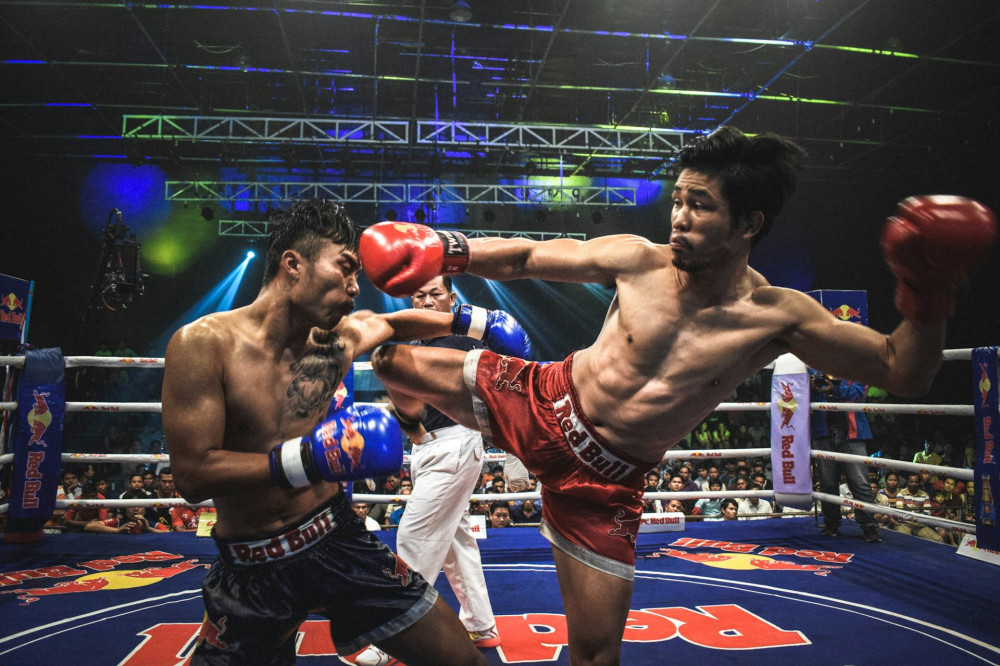
When two fighters step into the ring, it’s not just their punches that matter — expectations outside the ropes play a huge role too. In the boxing betting market, the difference between the favorite and the underdog determines how odds are set and how bettors place their wagers. But what does it really mean to be the favorite, and why do some bettors deliberately back the fighter who seems least likely to win?
The Favorite – The Expected Winner
In every boxing match, oddsmakers assess which fighter has the highest statistical and athletic chance of winning. That fighter becomes the favorite. The evaluation is based on a range of factors: past victories, knockout percentage, quality of opponents, age, weight class, and current form.
When a boxer is a clear favorite, it’s reflected in the odds. Low odds mean a high perceived probability of winning — but also a smaller payout. For many bettors, that makes wagering heavily on the favorite less appealing unless they’re convinced the fight will be one-sided.
The Underdog – Risk with Reward
The underdog is the fighter bookmakers believe has the lowest chance of winning. That might be due to inexperience, a lower ranking, or a tough stylistic matchup. But because the odds are higher, an upset victory can bring a significant return.
Seasoned bettors know boxing is unpredictable. One punch can change everything, and history is full of underdogs who shocked the world. That’s why underdogs often attract bettors looking for value — situations where the potential reward outweighs the risk.
Læs også:



How Odds Are Shaped
Bookmakers’ odds reflect more than just a sporting assessment — they also respond to market behavior. If a large number of bettors back the favorite, odds are adjusted to balance the book. That means a popular favorite’s odds can drop even further, while the underdog’s odds rise.
Public perception also plays a major role. A fighter with star power or charisma can be overvalued by the market, even if the stats don’t fully support it. This creates opportunities for sharp bettors who analyze fights more objectively.
The Psychology of Favorite and Underdog
Many bettors are guided by emotion. Betting on the favorite feels safe — you’re following the crowd and minimizing the chance of being wrong. Backing the underdog takes courage and patience, but the payoff, both financial and emotional, can be much greater when it works out.
There’s also a psychological phenomenon known as underdog bias, where bettors overestimate the likelihood of an upset. This can lead to overbetting on long shots. The smartest approach combines analysis with discipline — not letting hype or sentiment dictate your choices.
Famous Upsets in Boxing History
Boxing history is filled with legendary upsets. When Buster Douglas defeated Mike Tyson in 1990, the odds were astronomical — yet the fight became a textbook example of how an underestimated fighter can seize the moment. Similar surprises happen every few years, reminding fans and bettors alike that nothing in boxing is guaranteed.
Strategies for the Informed Bettor
For those looking to understand the boxing betting market, it’s about more than just picking the favorite or the underdog. It’s about finding value in the odds. That can be done by:
- Analyzing each fighter’s style and past opponents.
- Considering the fight’s context — weight class, location, and preparation time.
- Comparing odds across multiple sportsbooks to find the best price.
- Avoiding bets driven by hype or media narratives.
A well-informed bettor doesn’t just ask who’s likely to win — they ask where the market might be wrong.
A Market Driven by Expectation
The boxing betting market mirrors the sport itself: dramatic, unpredictable, and full of contrasts. The favorite represents the safe bet, while the underdog embodies the thrill of the unexpected. Both roles are essential to the excitement — in the ring and at the sportsbook.
In the end, successful betting comes down to understanding the balance between probability and value. For fans, it’s about enjoying the spectacle — no matter who’s favored to win.
Læs også: