Back-to-Back Games in the NHL: What Do They Mean for Your NHL Bets?


Back-to-Back Games in the NHL: What Do They Mean for Your NHL Bets?
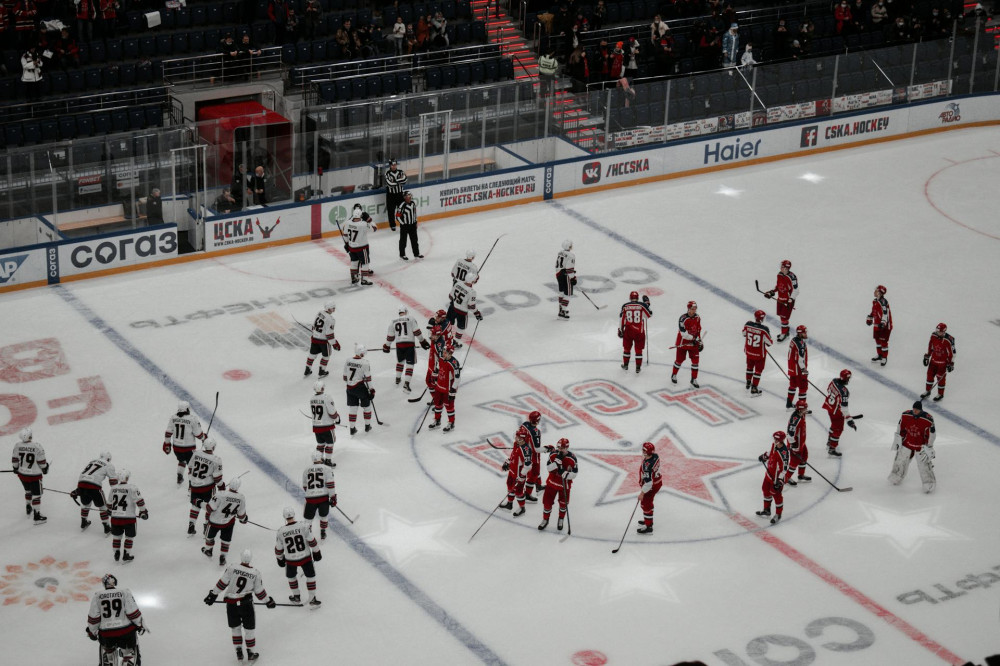
The NHL regular season is a grind — 82 games per team spread across just a few months, with long flights, time zone changes, and packed schedules. One of the most challenging scenarios for players — and one of the most intriguing for bettors — is the back-to-back game. That’s when a team plays two games on consecutive days, often with travel in between. But how much does that really affect performance, and how can you use that knowledge to make smarter NHL bets?
What Is a Back-to-Back Game?
A back-to-back simply means a team plays two games in two nights without a day off. It could be two home games, two road games, or one of each — sometimes with a cross-country flight in between.
In a league that stretches from Florida to British Columbia, travel fatigue and time zone changes can take a toll. That’s why understanding the impact of back-to-backs is crucial when analyzing matchups and betting lines.
Fatigue and Performance – What the Numbers Show
Historically, teams tend to perform worse in the second game of a back-to-back, especially when both games are on the road.
- Goals allowed: Teams often give up more goals in the second game, likely due to tired legs and slower defensive reactions.
- Shots on goal: Offensive output tends to dip slightly, suggesting reduced energy and less puck possession.
- Travel distance: The farther a team travels between games, the more pronounced the fatigue effect. A team flying from Los Angeles to Chicago overnight faces a tougher challenge than one playing two games in the same region.
Still, not all teams are affected equally. Deep rosters with balanced lines can handle the grind better, while younger teams may recover faster than veteran-heavy squads. That’s why context matters more than any single trend.
Læs også:



The Goalie Factor – A Key Variable for Bettors
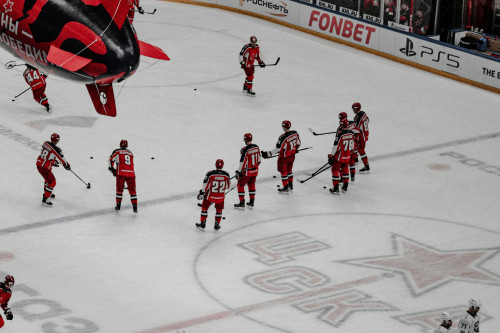
Goaltending is the most critical position in hockey, and it’s often the first thing to change in a back-to-back. Many coaches rest their starting goalie for one of the two games, giving the backup a chance to start.
For bettors, this is a major variable. A backup with a lower save percentage can dramatically shift the odds and the expected total. Always check projected starters before placing a bet — and remember that goalie announcements often come late, sometimes after lines have already moved.
Following team beat writers and official team accounts on social media can give you an edge, as they often report goalie plans before sportsbooks adjust.
Home Ice and Motivation – Factors That Can Offset Fatigue
Fatigue isn’t always a death sentence for teams in the second game. Home ice can make a big difference. A team returning home after a road game often benefits from crowd energy, last change, and familiar surroundings.
Motivation also plays a role. A team that lost the first game might come out with extra intensity to bounce back, while a team that won big the night before could be more complacent. Understanding these psychological factors can help you spot value where others see randomness.
How to Use Back-to-Back Data in Your NHL Bets
When evaluating a matchup, consider these key points:
-
Is it the first or second game of a back-to-back? Check whether the team had to travel overnight and how far.
-
Who’s in net? Goalie rotations can completely change the game’s outlook.
-
What’s the team’s current form? Hot teams often handle fatigue better than struggling ones.
-
Any injuries or lineup changes? Coaches may rest key players in one of the two games, especially against weaker opponents.
-
How has the market reacted? Sometimes sportsbooks and bettors overvalue the fatigue factor, creating opportunities to bet on the “tired” team at inflated odds.
A Useful Tool – Not a Guarantee
Back-to-back data is a valuable piece of the puzzle, but it’s not a standalone predictor. The NHL is unpredictable — motivation, injuries, and goaltending often outweigh pure fatigue effects.
The best approach is to combine data with context: look at travel schedules, goalie usage, and how teams have historically handled similar situations. That’s where you’ll find the small edges that make a difference over the long run.
Conclusion: Turn the Schedule Into an Advantage
Back-to-back games are a built-in part of the NHL’s rhythm — and one of the most fascinating angles for bettors. By understanding how teams respond to fatigue, travel, and lineup changes, you can identify value that others might overlook.
It’s not about avoiding teams in back-to-backs altogether, but about knowing when the market has over- or underestimated the impact. With the right analysis, you can turn the NHL’s grueling schedule into a strategic advantage for your bets.
Læs også: